
Understand
Lectures cover the biological, diagnostic, surgical and prosthetic principles behind treatment decisions.
ABOUT DIMPACAD
The DIMPACAD project began in 2021 with a focus on connecting dental education to the work dentists face in practice. Our programs bring scientific teaching, hands-on preparation and supervised clinical work into one learning sequence.
OUR PURPOSE
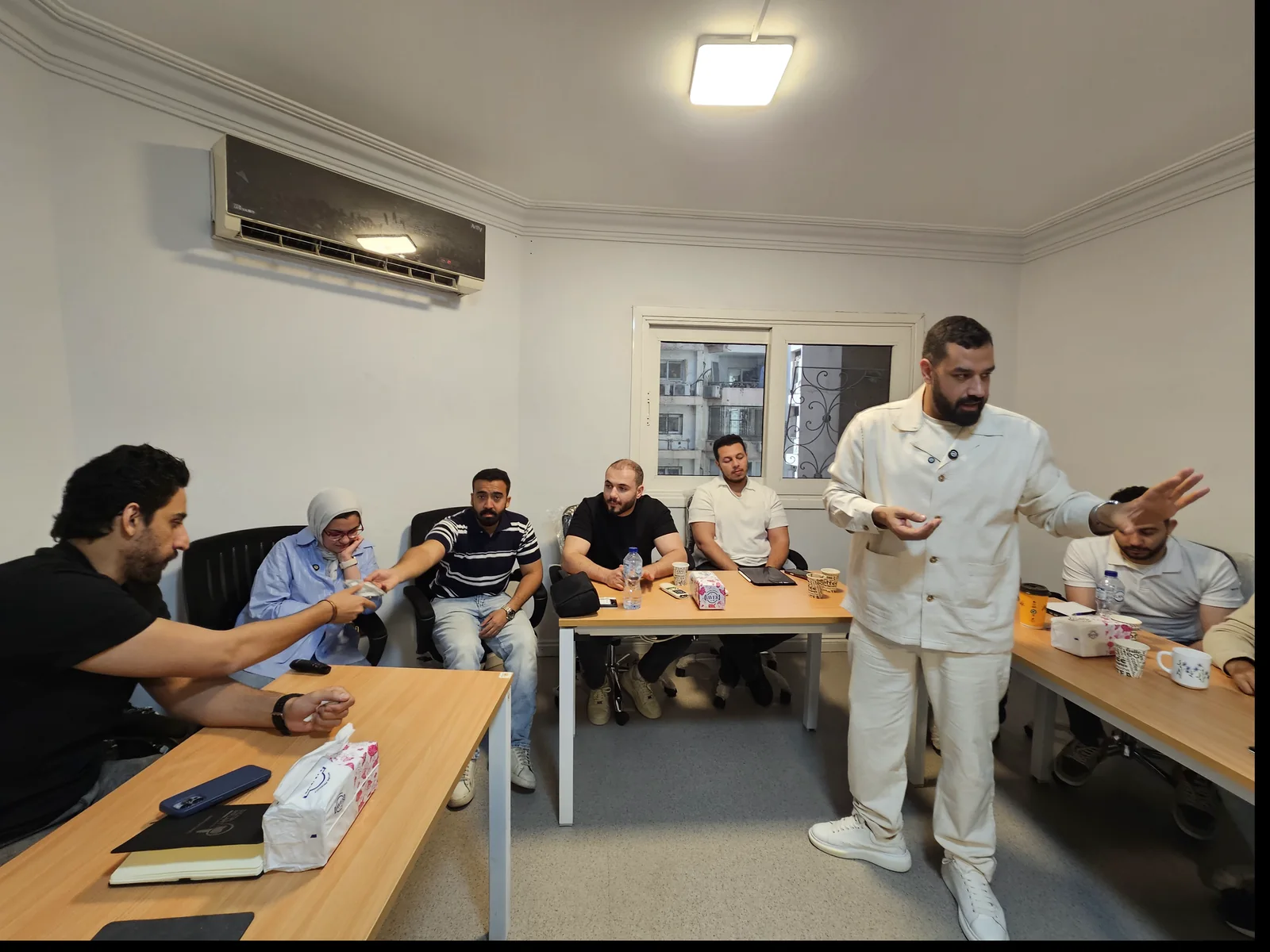
A dentist needs more than a list of procedures. Patient selection, the proposed restoration, anatomy and the surgical approach all affect the plan. DIMPACAD's teaching framework puts those decisions in sequence, then gives participants opportunities to practise and discuss how they apply to cases.
The academic program framework combines lectures, workshops, supervised clinical exposure, case discussions and assessment. It progresses from implant biology and diagnosis through surgery, digital workflows and prosthetic rehabilitation.
HOW WE TEACH
The training model described in our academic framework uses several ways to learn and apply implant dentistry.
Lectures cover the biological, diagnostic, surgical and prosthetic principles behind treatment decisions.
Workshops and lab sessions let participants work through drilling, suturing, planning and digital processes before clinical sessions.
Scheduled diagnosis and treatment clinics bring the teaching into supervised patient care. The clinical role and case allocation depend on the program and intake.
Case seminars and assessments give the team a way to examine planning, practical work and progression.
ONE CONNECTED CURRICULUM
The comprehensive program draws on surgery, periodontology, radiology, prosthetics, digital planning and dental photography. That range matters because an implant decision carries through to the restoration.
Dentists can also choose a shorter clinical intensive when their immediate goal is supervised implant placement. Both pathways are described in detail on the program pages, including the clinical work stated for each one.
Compare the two pathways ↗ACADEMIC COLLABORATION
DIMPACAD's collaboration with Benha National University brings an academic perspective to its clinical education work. The program framework shared with the university sets out scientific content, workshops, supervised clinical training, case discussions and assessment.
Admissions can confirm the certificate issuer and any academic recognition for the current intake. The collaboration alone does not describe a university degree or accreditation.

YOUR NEXT STEP
Explore the complete diagnosis-to-delivery pathway or the three-month placement intensive, then ask admissions about the current intake and your clinical role.